
Precision Equine Cryotherapy
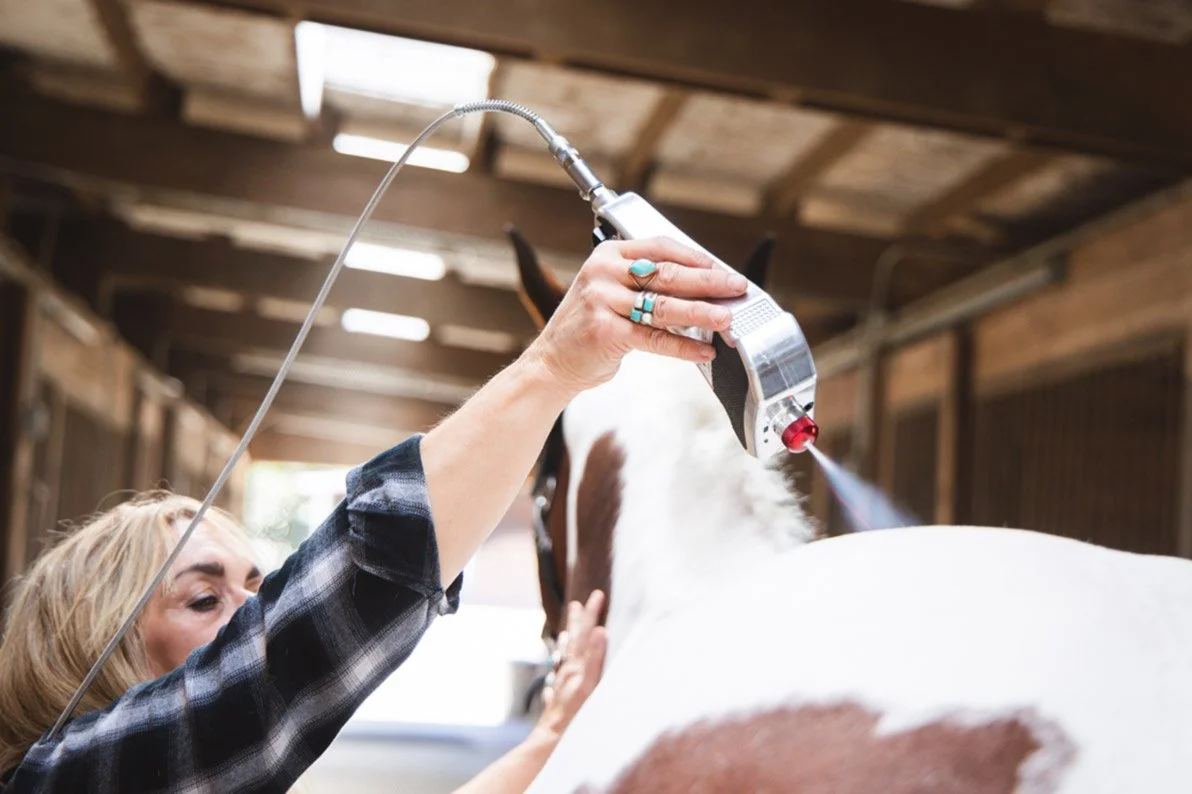
How Cryotherapy Works
Cryotherapy, or cold therapy, uses extremely low temperatures to rapidly cool skin and underlying tissues, reducing inflammation and swelling, and aiding in post-exercise and injury recovery.
This creates a thermal shock that activates sensory receptors, triggering a reflex response in the animal’s nervous system. This response leads to a reduction in inflammation, swelling, and pain, as well as muscle relaxation.
Cryotherapy can help the animal’s body recover faster from strenuous activity or injuries, promoting better mobility and overall well-being.
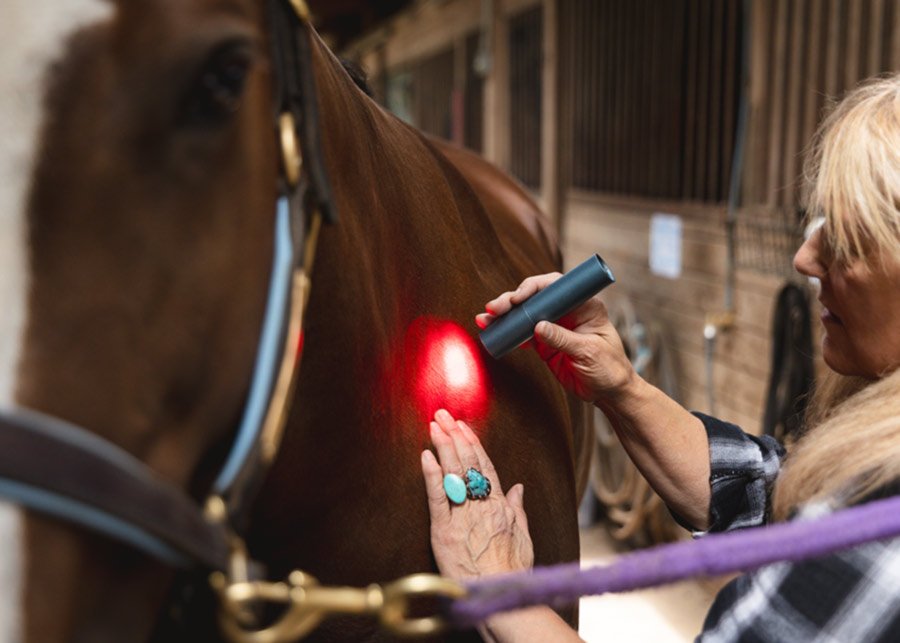
When To Use Cryotherapy
Equine cryotherapy has several key applications in horse health and performance. Here are five main uses:
Injury Recovery – Helps reduce inflammation and swelling from tendon, ligament, and joint injuries, promoting faster healing.
Post-Exercise Recovery – Lowers muscle soreness and fatigue after intense training or competition.
Laminitis Treatment – Reduces hoof inflammation and pain associated with laminitis, preventing further tissue damage.
Pain Management – Alleviates chronic pain from arthritis, soft tissue injuries, or other conditions.
Surgical Recovery – Minimizes swelling and discomfort after surgical procedures, aiding in a smoother rehabilitation process.
Preventative Care – Used proactively to strengthen muscles, joints, and tendons, reducing the risk of injuries in performance and racehorses.
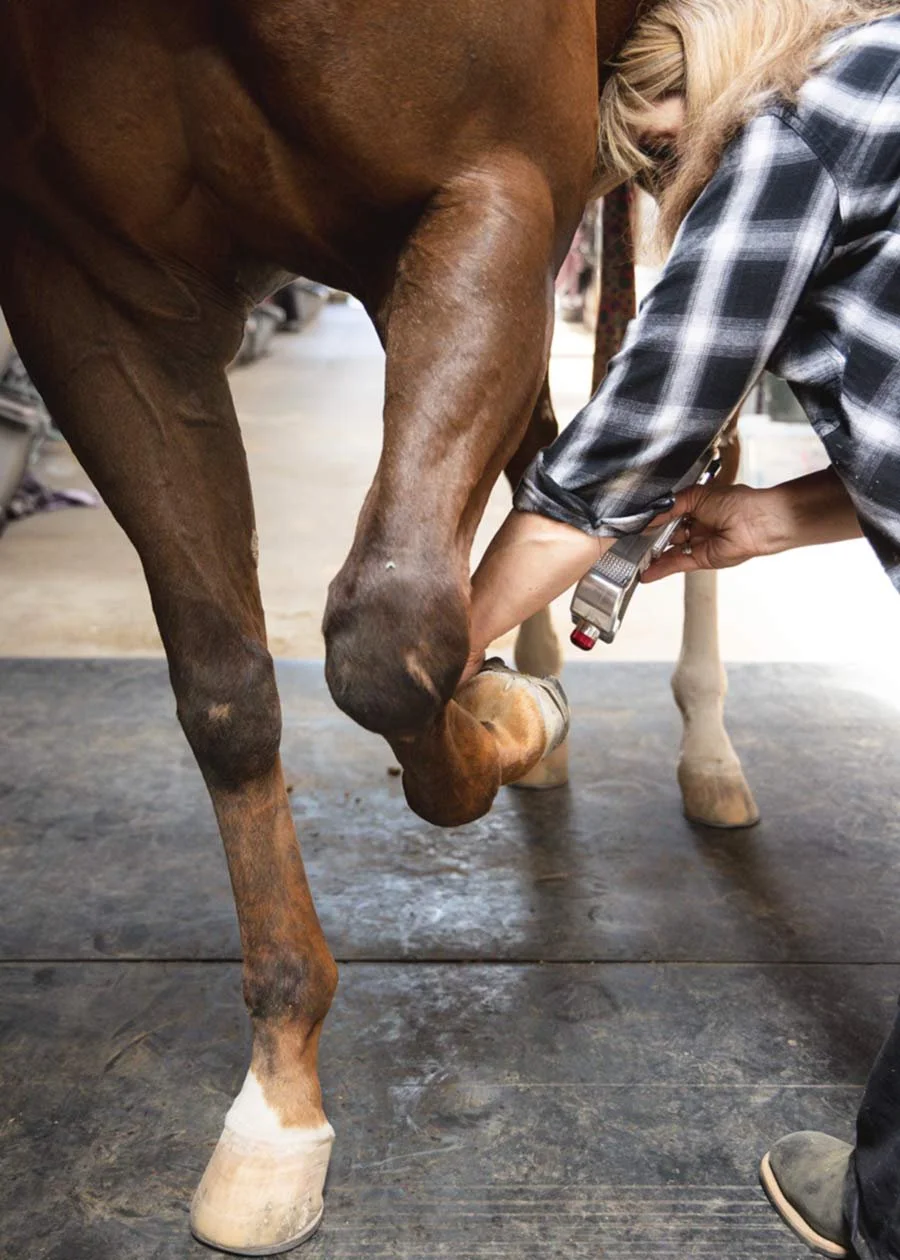
Why Is Precision Cryotherapy Better Than Icing
It has long been know that cold therapy has huge benefits within equine care, and particularly recovery from injuries. But recent research has established that the speed of cooling is a dominant factor in the effectiveness of this treatment because of the increased thermic shock response, which is rapid vasoconstriction (blood vessel narrowing) followed by vasodilation (blood vessel widening).
Our handheld cryo device is able to cool the skin to 39.2°F (4°C) within just 30 seconds, optimising the effects of the thermic shock response to the point that blood flow is increade by four times compared to icing.
It was also found that high pressure of the gasses leads to deeper effects of the cooling, which aids significantly with the reduction of pain and inflammation.
Localized cryotherapy also offers a much more targeted solution than icing. Additionally, cryotherapy sessions are shorter and more efficient, allowing for quicker recovery times without prolonged exposure to moisture and discomfort.
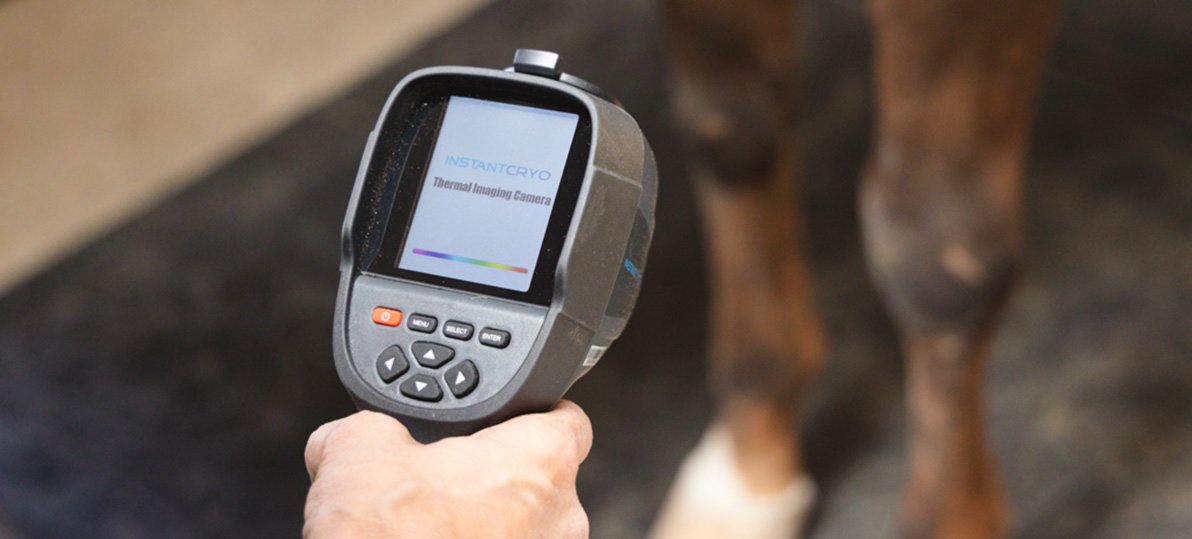
Cryotherapy is safe
Cryotherapy is perfectly safe when performed by a trained expert using our handheld cryo device, which ensures controlled, targeted cold therapy.
Our cryo device is designed for localized treatment, enhancing recovery, and has built in systems to prevent overcooling. This advanced technology allows precise temperature regulation using laser thermometers, to minimize risks. It offers a safe, reliable therapy option with no known side effects.
Both Cherie and Tammie are accredited in equine and human Cryotherapy, and we are fully trained in proper application techniques, exposure limits, and safety precautions to ensure our treatments are safe for all.
How Cryotherapy Works: A Detailed Explanation
1. Exposure to Extreme Cold
Cryotherapy involves exposing the body or a specific area to extremely low temperatures, typically using liquid nitrogen, ice packs, or cold air.
Whole-body cryotherapy (WBC) chambers expose the entire body to temperatures as low as -200°F (-130°C) for short durations (1–3 minutes). We do not offer this therapy currently
Localized cryotherapy (as practiced by PNW Cryotherapy) targets specific areas with controlled cooling for focused treatment.
2. Vasoconstriction (Narrowing of Blood Vessels)
The cold causes blood vessels to constrict, reducing blood flow to the affected area.
This limits swelling and inflammation by decreasing fluid buildup in tissues.
Reduced blood flow also temporarily slows nerve activity, helping to alleviate pain.
3. Reduced Inflammation and Pain Relief
Cryotherapy slows down cellular metabolism, preventing further tissue damage and reducing inflammatory responses.
Cold exposure calms nerve activity, providing immediate pain relief for injuries, arthritis, and muscle soreness.
The treatment is commonly used for post-exercise recovery and injury rehabilitation.
4. Vasodilation (Reopening of Blood Vessels) and Increased Circulation
After cryotherapy, the body responds by dilating blood vessels (vasodilation) to restore normal circulation.
This process flushes out metabolic waste and brings fresh oxygenated blood to the treated area, promoting faster healing.
Improved circulation helps rejuvenate tissues and reduce stiffness.
5. Release of Endorphins and Hormonal Response
The sudden drop in temperature stimulates the nervous system to release endorphins, which act as natural painkillers and mood boosters.
Cryotherapy may also trigger the release of norepinephrine, which can help reduce stress, increase alertness, and improve overall well-being.
This hormonal response contributes to the therapy's potential benefits for mental clarity, mood enhancement, and energy levels.
6. Long-Term Benefits and Cellular Repair
Repeated cryotherapy sessions may contribute to improved muscle recovery, reduced chronic pain, and enhanced athletic performance.
Cold exposure is believed to activate repair mechanisms at the cellular level, promoting collagen production and reducing oxidative stress.
Some studies suggest cryotherapy may help with skin health (by activating brown fat), and immune system support.
When performed safely and correctly, cryotherapy can be an effective tool for recovery, pain management, and overall wellness.